The difference between HDPE material and PP material
In the field of plastic materials, High-Density Polyethylene (HDPE) and Polypropylene (PP) are widely used, but they have distinct characteristics that make them suitable for different applications—especially when processed into products like the pp sheet and hdpe board.
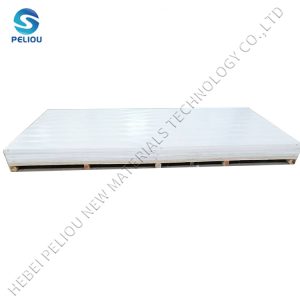
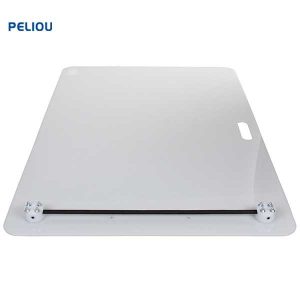
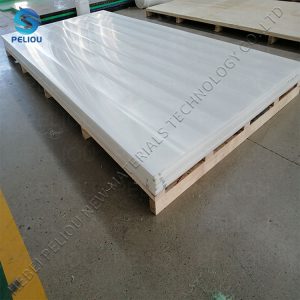
First, their physical properties differ significantly. HDPE has high density (0.941-0.965 g/cm³) and excellent impact resistance, even at low temperatures. This makes the hdpe board highly durable, able to withstand heavy impacts without cracking, which is ideal for outdoor flooring or industrial workbenches. In contrast, PP has a lower density (0.900-0.915 g/cm³) and better flexibility. The pp sheet, for example, is easy to bend and shape, making it a top choice for packaging materials or lightweight containers.
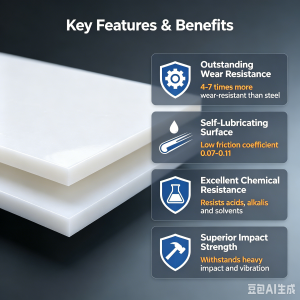
Chemical resistance is another key distinction. HDPE is resistant to most acids, alkalis, and organic solvents, so the hdpe board is often used in chemical storage tanks or laboratory work surfaces. PP, while also chemically stable, is less resistant to strong oxidizing agents. However, the pp sheet excels in high-temperature resistance—it can withstand temperatures up to 120°C, making it suitable for microwaveable food containers or heat-resistant packaging.
Processing methods also vary. HDPE has high melt viscosity, so manufacturing an hdpe board usually requires higher pressure during extrusion. PP has lower melt viscosity, allowing the pp sheet to be produced with faster extrusion speeds, reducing production costs. Additionally, PP is more prone to aging under UV light, so pp sheet products often need anti-UV additives for outdoor use, while hdpe board has better natural UV resistance.
In summary, choosing between HDPE and PP depends on specific needs. For durability and chemical resistance, the hdpe board is superior; for flexibility and heat resistance, the pp sheet is more suitable. Understanding these differences helps select the right material for various applications.
 Peliou
HelloPlease log in